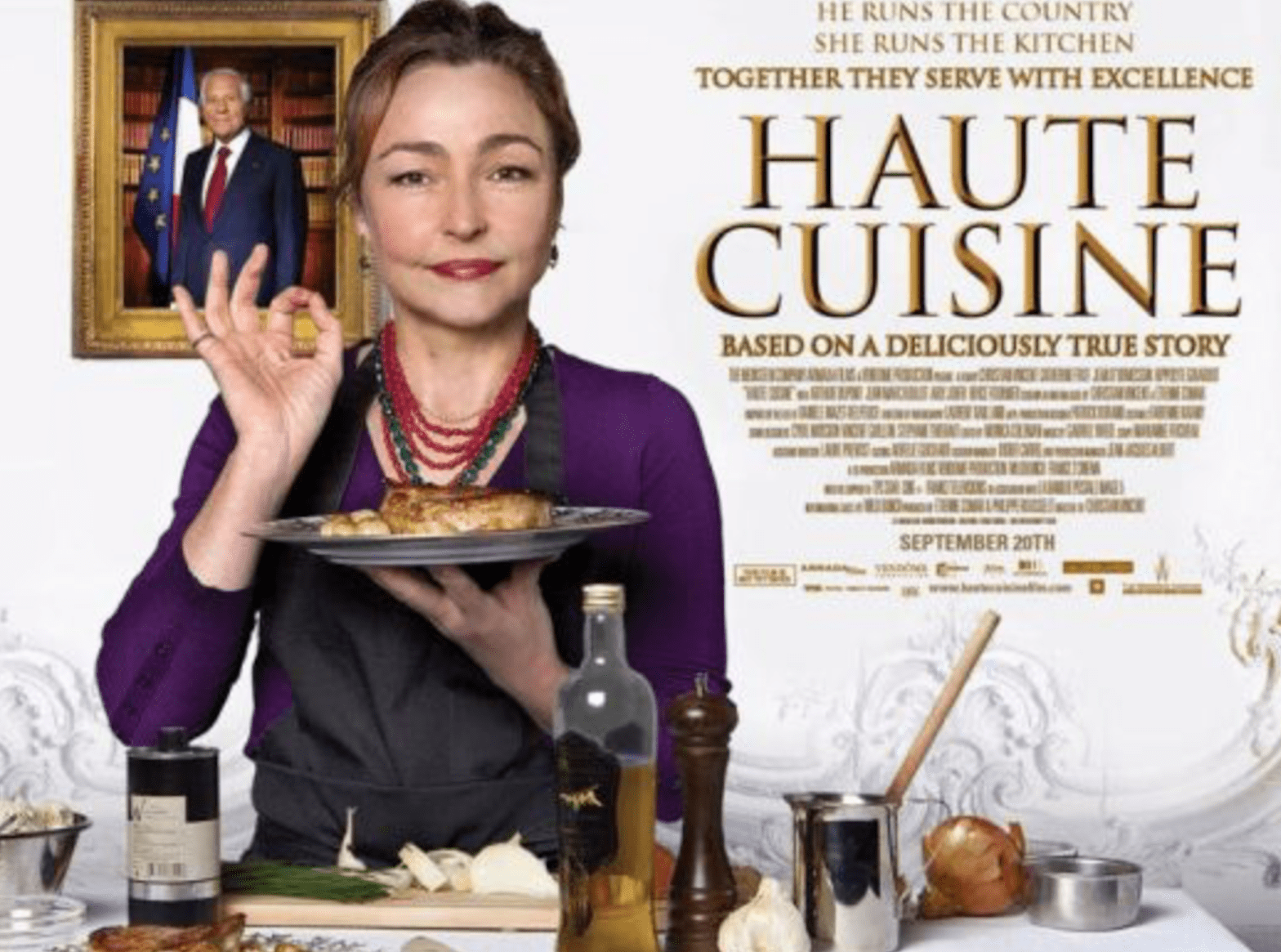
Haute Cuisine highlights the true story of Hortense Laborie, on her experiences in a male dominated industry, cooking for the French President Jean d’Ormesson. This foodie film showcases every scene recognisable with food, either it’s cooking, serving, eating or even talking about food, it’s everywhere. If the essence of food was removed, the film would be completely different.
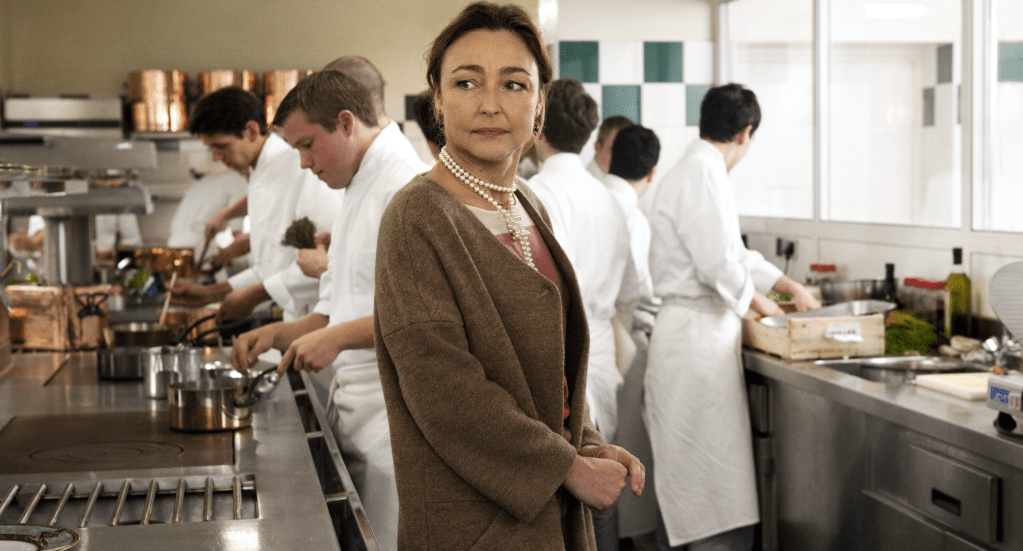
The president desires a double orality aspect to his food believing Hortense can make him nostalgic for his grandmother cooking, displayed in Hortense’s chowder. The film showcases how women can cook just as good as men in restaurants. She’s given the nickname “Anne Pingeot” – the president’s accused mistress, by the male chefs illustrating gender disparity. However, when the President appeared in the kitchen, this symbolised the destruction of hierarchies due to them being on the same social-standing.
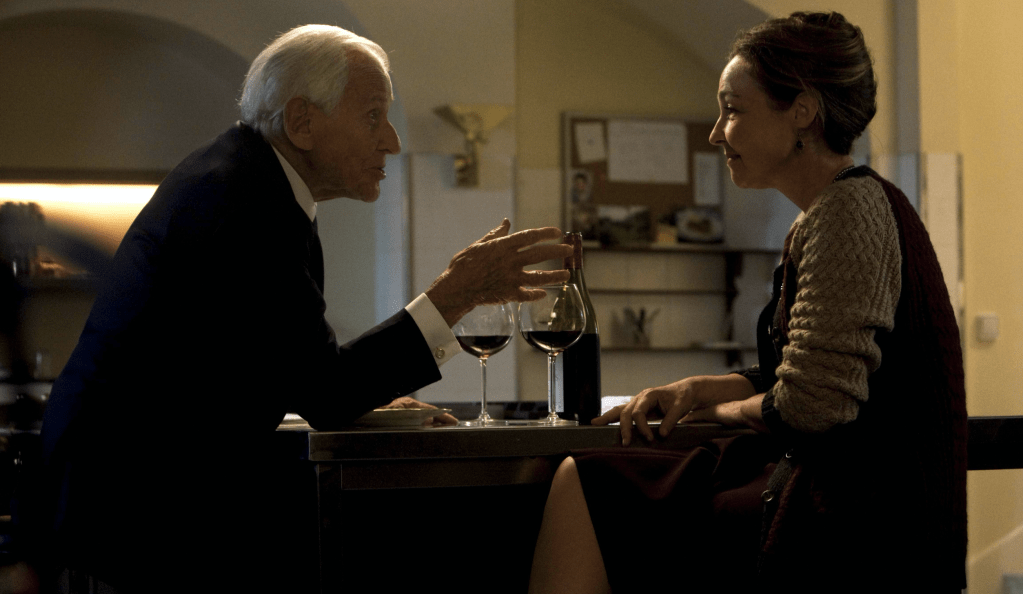
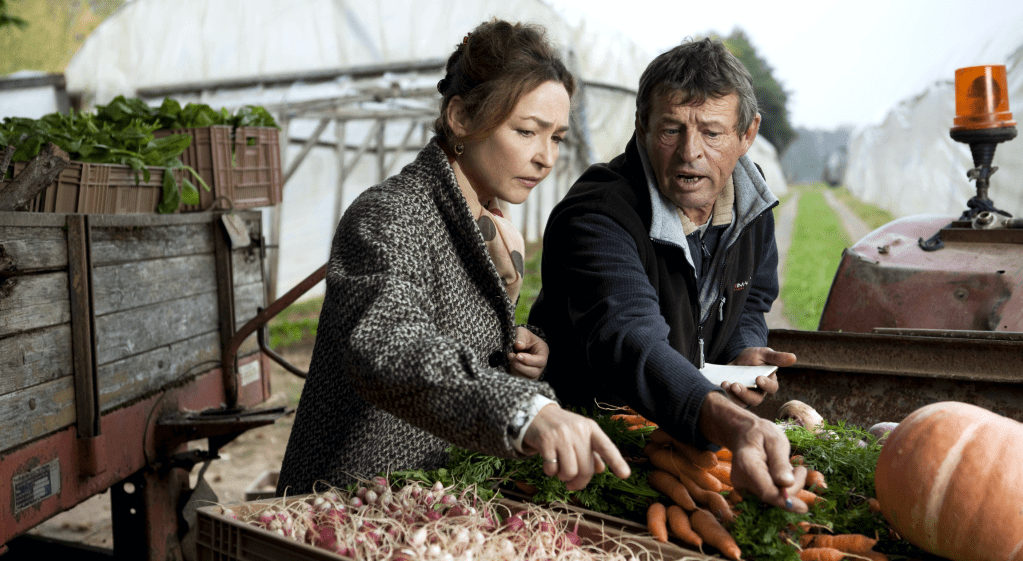
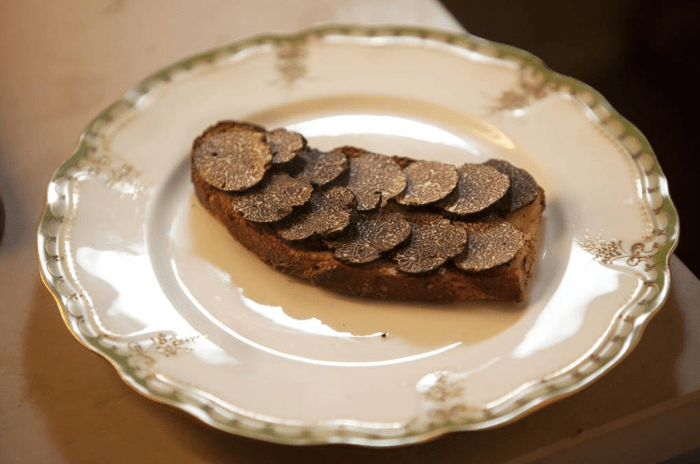
Regional identity is deliberated throughout her journeys to the countryside. She spends a lot of money in the process to get the best quality food. An example of this was the expensive truffles; as the male chefs didn’t want to integrate regional flavours. This signifies the haughtiness of the male chefs towards rural ingredients as they didn’t want to associate with the low country class.
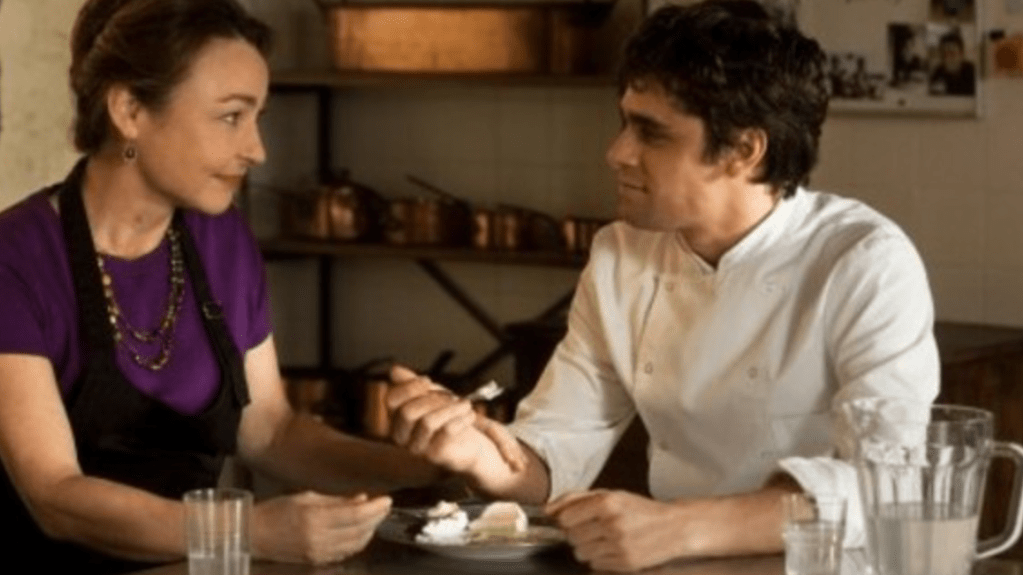
When Hortense is speaking to the sous-chef Nickolas, it brought a nostalgic comparison to Nonna and myself. It depicted the nurturing nature of women giving emphasis to the importance of women and these aspects in forming memories. This relates to Guy Grossi and his mother’s impact on his cooking as her “recipes evoke powerful memories [of his] childhood”. This movie is quite conservative with its gender roles but inasmuch progressive due to Madame Laborie’s innovative pursuit to create ingenious meals.
 Just like Nonna’s Style of Cooking