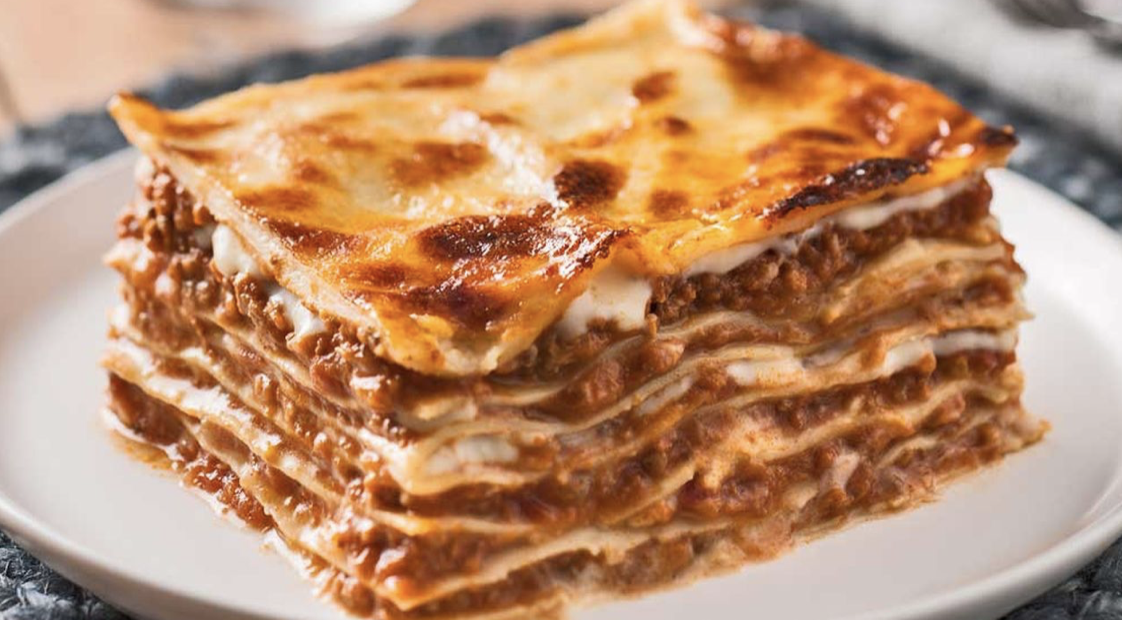
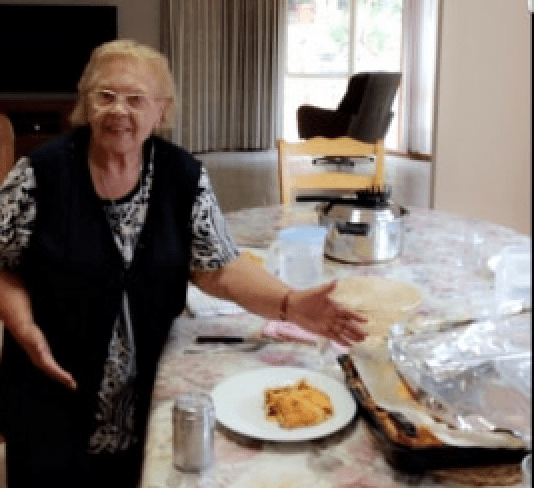
Nonna thinks Lasagne is an Italian delicacy. Layered perfection of pasta sheets, she bakes it in an oven and serves it in square-like portions during lunch or dinner. In between each pasta layer is an altering sauces and ingredients, ranging from
- minced-meats
- tomato and béchamel sauces
- vegetables
- cheeses like parmesan, melted grated mozzarella and even sometimes ricotta
- seasonings like garlic, basal and oregano
However, there is more to this cuisine than meets the eye!
Originally from Naples, this dish is normally known as lasagne di carnevale. Traditionally made with local sausages and hard-boiled eggs from Napoli, it embraces tremendous historical significance as this local cuisine was usually consumed during the Carnevale festival as “a last meaty meal” before before lent.
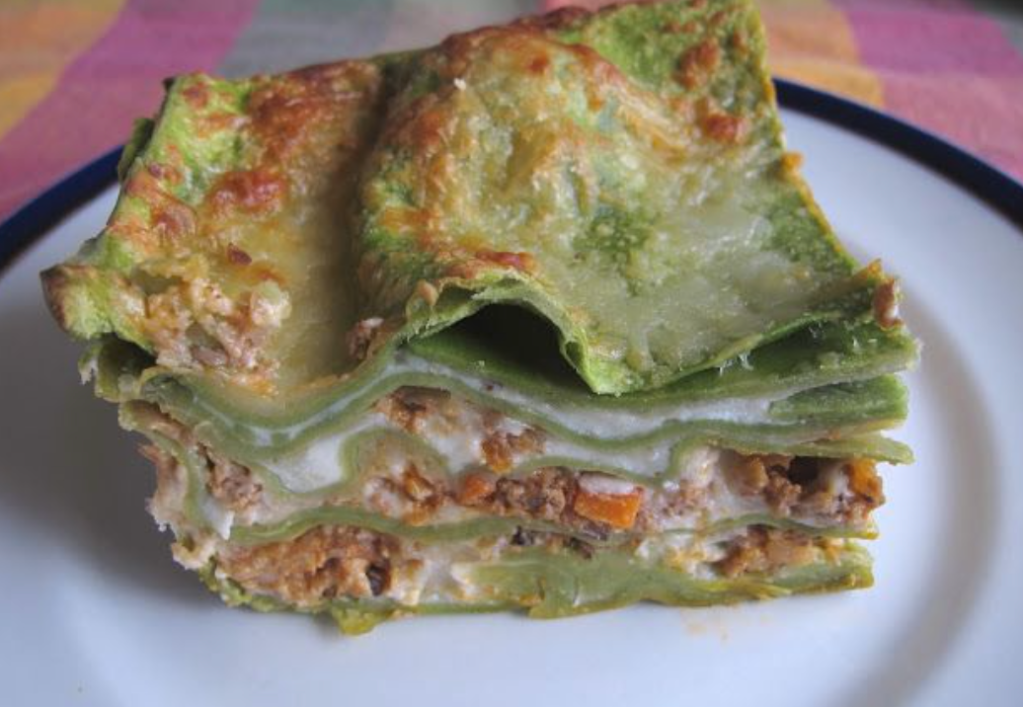
However, outside Napoli, Lasagna has many variations. In Bologna, lasagne sheets are green from spinach. In France and Australia, lasagne al forno, incorporates French-style Béchamel sauce.
During the congress of the Subalpine Agrarian Association on 12th of September 1846, the entire banquet menu was French giving reason to why there is a French Béchamel sauce incorporated into this Italian cuisine outside Napoli which I never would’ve understood before this subject.
Italy before the risorgimento was a starving country in poverty. Economically divided by the rich and the poor, it had “inadequacy and monotony of Italian food habits” (Helstosky). It was only until national unification that a middle class was established which “sparked hope for civic and economic renewal”. Helstosky highlighted the starving nature of Italy and dishes, like Lasagne, were only served to rich politicians, giving them prestigious French names and ingredients.
There is no wonder why lasagne has more layers than what we eat!
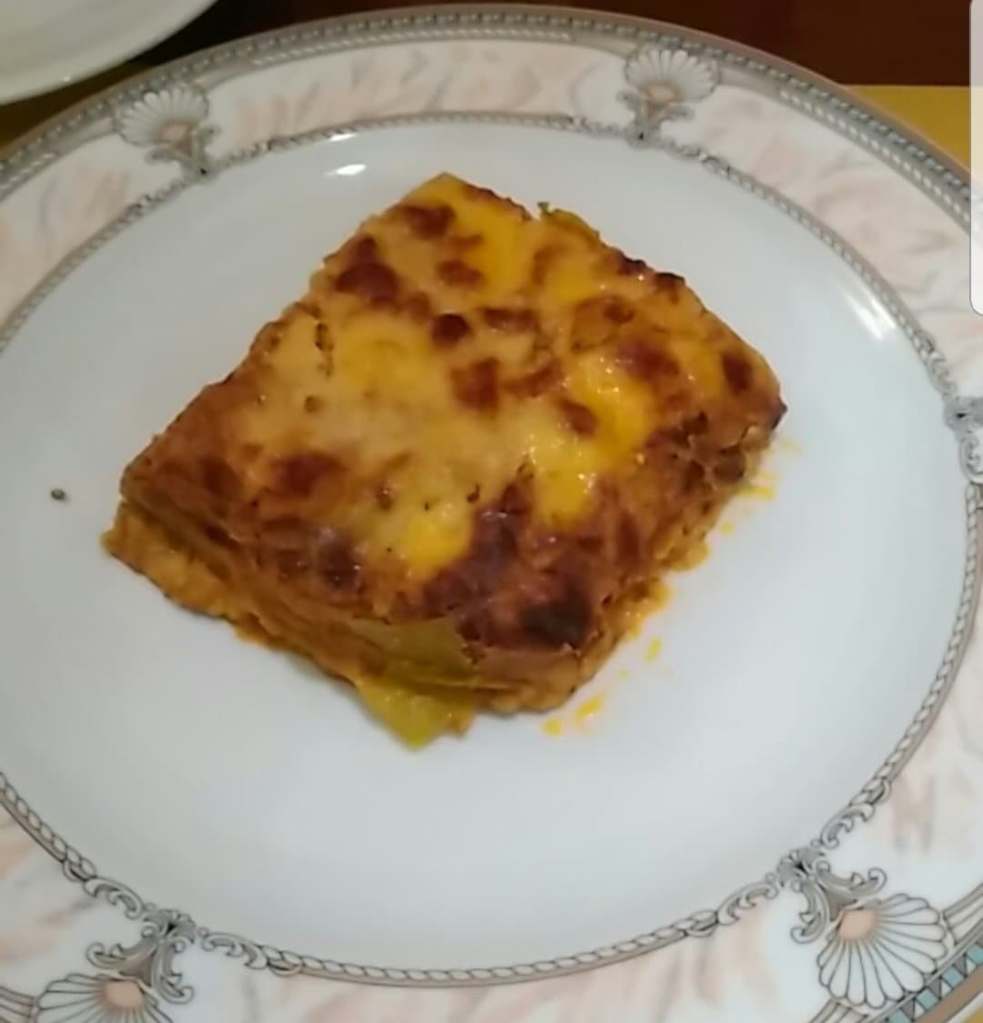
 Just like Nonna’s Style of Cooking